Dynamic range is the span between the darkest and brightest tones a camera can record with usable detail in a single exposure.
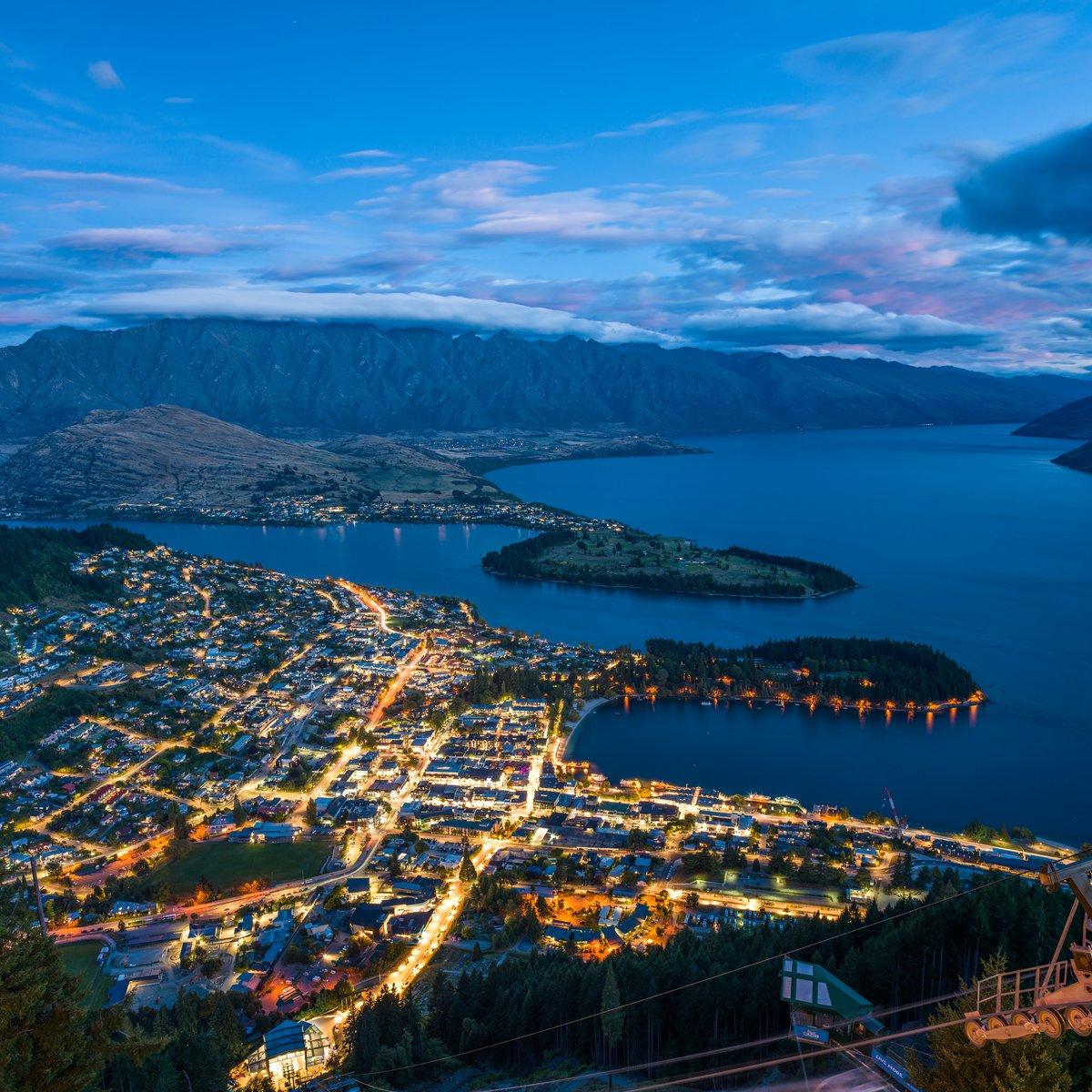
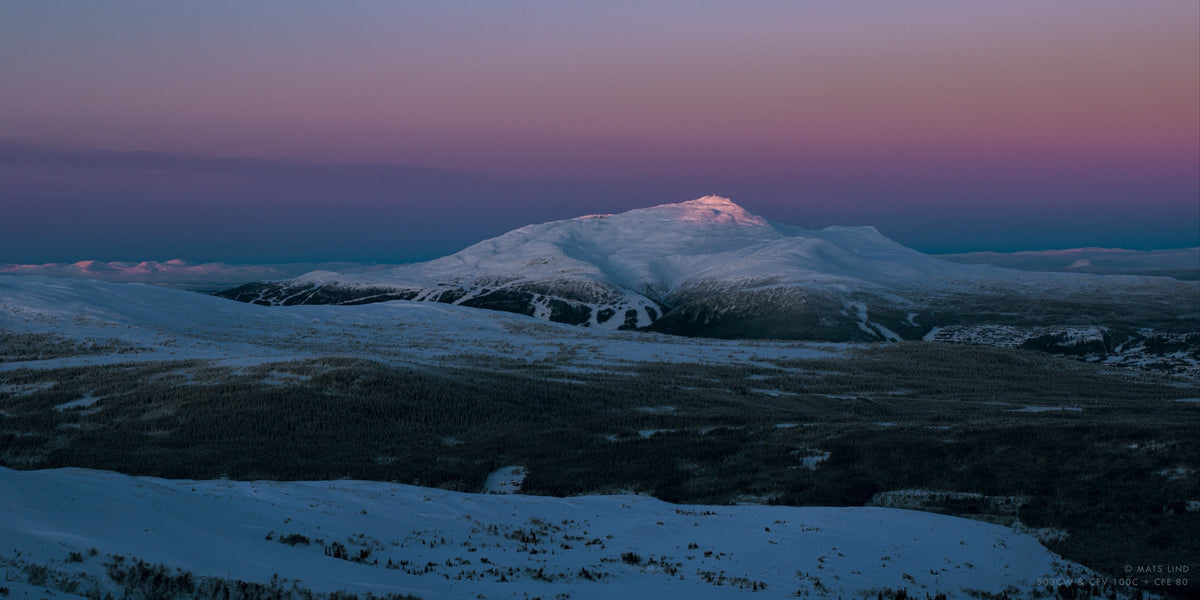
In landscape photography, that span may include a luminous sky, sunlit peaks, shaded terrain, reflected water, and subtle changes within mist or cloud. When the camera records more of this tonal information, the photographer has greater control over how light and shadow appear in the final image.
Highlights can retain color and structure, while darker areas remain detailed enough for restrained adjustment in post-production. The aim is not to make every part of the frame equally bright, but to preserve the relationships that give the landscape its depth and atmosphere.
What Dynamic Range Means in Photography
Every camera sensor has limits at both ends of the tonal scale.
At the bright end, highlights eventually clip. Once the relevant color channels are fully clipped, their original texture and color cannot be recovered. In deep shadows, detail becomes less distinct as the recorded signal approaches the sensor’s noise floor.
The distance between these limits is the camera’s dynamic range.
Consider a sunrise over a valley. The sky may already be bright while the land below remains several stops darker. A camera with broad dynamic range can retain more information in both areas, preserving color near the horizon and texture within the shaded terrain.
The recorded file then gives the photographer more freedom to shape the final balance of light.
Why Dynamic Range Matters for Landscapes
Natural light rarely reaches a landscape evenly.
A ridge may catch direct sunlight while the terrain behind it remains cool and shaded. Reflections on water can approach the brightness of the sky. Snow may sit beside dark rock, while distant forms are separated by slight changes in haze and tone.
If the contrast exceeds the camera’s recording range, highlights may become featureless and shadows may reveal noise when lifted during editing.
A broader dynamic range keeps more of these distinctions intact. Clouds can remain luminous without losing structure. Shadowed rock can reveal texture without appearing unnaturally bright. Distant terrain can remain separated through gradual atmospheric transitions.
These differences become especially visible in careful post-production and large prints, where compressed tones and missing detail are easier to recognize.

@Panji Indra Permana
How Dynamic Range Is Measured in Stops
Dynamic range is commonly measured in stops. Each stop represents a doubling or halving of light.
One additional stop of usable dynamic range allows a camera to record twice the brightness ratio between its darkest usable shadows and brightest recoverable highlights.
Published specifications are useful, but measured performance can vary according to:
-
ISO setting;
-
sensor and readout design;
-
exposure accuracy;
-
RAW processing;
-
the threshold used to define usable shadow detail.
Maximum dynamic range is generally available near a camera’s base ISO. As ISO increases, the usable range often narrows, particularly in darker areas.
Specifications describe the camera’s potential. In the field, the histogram, highlight warnings, and RAW file show how the light in a particular scene relates to that potential.
How to Preserve Detail in High-Contrast Scenes
The appropriate exposure method depends on the brightness range of the landscape, movement within the frame, and the intended appearance of the final image.
Preserve Tonal Information With RAW Capture
A RAW file retains more of the tonal and color information recorded by the sensor than a finished JPEG.
This is especially valuable when the sky, foreground, and distant terrain require separate adjustments. Exposure, white balance, highlights, and shadows can be refined while preserving more of the original tonal relationships.
RAW capture does not increase the sensor’s dynamic range. It retains more of the information the sensor has already recorded.
Set Exposure Around Important Highlights
Bright clouds, reflected sunlight, snow, and color near the horizon often require careful highlight protection.
Exposure can be placed toward the brighter side of the histogram when this improves shadow quality, provided that important highlights and individual color channels remain intact. This approach is commonly known as exposing to the right.
The histogram should remain a guide rather than a fixed target. A small area of direct sun may naturally exceed the sensor’s range, while the surrounding color, cloud structure, or reflection remains essential to the image.
The aim is to protect the highlights that carry visual information, rather than prevent every bright pixel from clipping.
Balance the Scene With a Graduated Filter
A graduated neutral-density filter reduces the brightness of part of the frame before the image reaches the sensor.
It is most effective when a bright sky meets a darker foreground along a relatively clear horizon. By reducing contrast at capture, the filter can preserve more information in both regions and limit the amount of shadow recovery required later.
Mountains, trees, or buildings extending into the sky may also be darkened by the filter. In these situations, a softer transition or another exposure method may preserve the scene more naturally.
Used carefully, a graduated filter helps establish the balance of light within the composition at the moment of capture.
Use Exposure Bracketing When Needed
Some landscapes contain a brightness range that cannot be recorded fully in one exposure.
Several frames can then be captured at different exposure values. One may preserve the highlights, another the midtones, and another the shadows. A careful merge extends the available tonal information while retaining the original direction of the light.
Bracketing works most easily when the scene remains still. Moving clouds, water, foliage, people, or animals can create differences between frames that require attention during processing.
Dynamic Range in Hasselblad Medium Format Cameras
Modern Hasselblad medium format cameras combine a large imaging area with high-resolution BSI sensors, 16-bit color, and broad dynamic range.
Each element contributes to a different part of the image. The sensor area provides space for light to be recorded. Dynamic range preserves the span between shadow and highlight. Sixteen-bit color describes the tonal and color variations within that span with fine precision.
Hasselblad X2D II 100C
The X2D II 100C records up to 15.3 stops of dynamic range at its native ISO 50. Its 100-megapixel, 43.8 × 32.9mm BSI CMOS sensor provides extensive latitude for landscapes containing luminous skies, shaded terrain, mist, water, and intricate natural textures.
Dynamic range and color depth serve different purposes. Dynamic range defines the usable brightness span, while 16-bit color allows the variations within that span to be represented with finer tonal and color gradation.
This is particularly visible in skies, reflections, atmospheric layers, and scenes where warm and cool light meet.
Hasselblad Natural Colour Solution with High Dynamic Range extends natural color reproduction into an HDR workflow. On compatible displays, images can show a wider sense of brightness and contrast while maintaining coherent relationships between color and light.
Five-axis in-body image stabilization, rated at up to 10 stops at the center of the image, also supports handheld landscape photography as light levels fall. Depending on the conditions, photographers can maintain a selected aperture or lower ISO without immediately moving to a tripod.
[cta: https://store-na.hasselblad.com/products/x2d-ii-100c]
Hasselblad 907X & CFV 100C
The 907X & CFV 100C offers a modular approach to medium format landscape photography.
Its 100-megapixel digital back records 16-bit color and provides up to 15 stops of dynamic range at ISO 64. It can be used with the compact 907X camera body, compatible Hasselblad V System cameras, and selected technical cameras.
Waist-level viewing encourages the photographer to consider the composition as a complete arrangement of foreground, distance, horizon, and light. When paired with a compatible technical camera, movements can provide additional control over perspective and the plane of focus.
This can be valuable for architecture, expansive terrain, and carefully structured landscape compositions.
The 907X & CFV 100C connects contemporary digital capture with the modular design that has shaped generations of Hasselblad photography.
[cta: https://store-na.hasselblad.com/products/907x-cfv-100c]
Organizing the Landscape With the XCD 35–100E
Dynamic range determines how much tonal information can be retained. The lens determines how that information is organized within the frame.
The XCD 2,8–4/35–100E covers an approximately 28–76mm full-frame-equivalent range, moving from expansive environmental compositions to more concentrated views of distant terrain.
At the wider end, foreground forms can guide the eye toward the horizon. Longer focal lengths can bring mountain ranges, mist, and bands of changing light into a more compressed composition.
The zoom range also allows framing to be refined without changing position, which can be useful when the light is moving quickly across the landscape.
[cta: https://store-na.hasselblad.com/products/xcd-2-8-4-35-100e]
Preserving Natural Contrast in Post-Production
A file with broad dynamic range contains more information, but the final photograph does not need to display all of it equally.
Shadows give a landscape depth and structure. Bright areas communicate the intensity and direction of the light. Raising every dark region and compressing every highlight may create an evenly exposed image, but it can also weaken the atmosphere of the scene.
Texture can be revealed in shaded terrain without removing its visual weight. Highlight detail can remain visible while the sky still feels luminous. Color can be retained in mist, cloud, and reflected light without becoming exaggerated.
Local adjustments should continue to respect the natural direction of the light. A shadow does not need the same visual emphasis as a sunlit peak, and a bright horizon does not need to match the land beneath it.
Dynamic range provides latitude. The final contrast remains the photographer’s interpretation of the landscape.
Common Questions About Dynamic Range
Does More Megapixels Mean More Dynamic Range?
No. Resolution and dynamic range describe different sensor capabilities.
Megapixels affect the amount of spatial detail an image can record. Dynamic range describes the usable brightness span between shadows and highlights. Sensor architecture, ISO, exposure, and processing influence them separately.
A high-resolution camera may also offer broad dynamic range, but one does not automatically produce the other.
Does 16-Bit Color Mean 16 Stops of Dynamic Range?
No. Bit depth describes how many tonal and color values can be used to encode an image. Dynamic range describes the usable brightness span between the darkest shadows and brightest highlights.
The two characteristics complement each other. Broad dynamic range preserves a wider span of light, while high bit depth represents the variations within that span more finely.
Can Dynamic Range Be Increased in Post-Production?
Post-production can reveal information already present in a RAW file, but it cannot recreate fully clipped highlights or detail recorded below the usable noise floor.
When the brightness range of the landscape exceeds what one exposure can record, exposure bracketing can capture additional tonal information for later merging.